Our Services
We provide advanced, evidence-led physiotherapy delivered by experienced clinicians. Every service is centred around detailed assessment, clear clinical reasoning, and personalised care.
Musculoskeletal Physiotherapy
Our musculoskeletal physiotherapy service focuses on the assessment and management of pain, injury, and movement-related conditions affecting muscles, joints, and nerves. Treatment is guided by thorough clinical assessment and tailored to your individual needs.
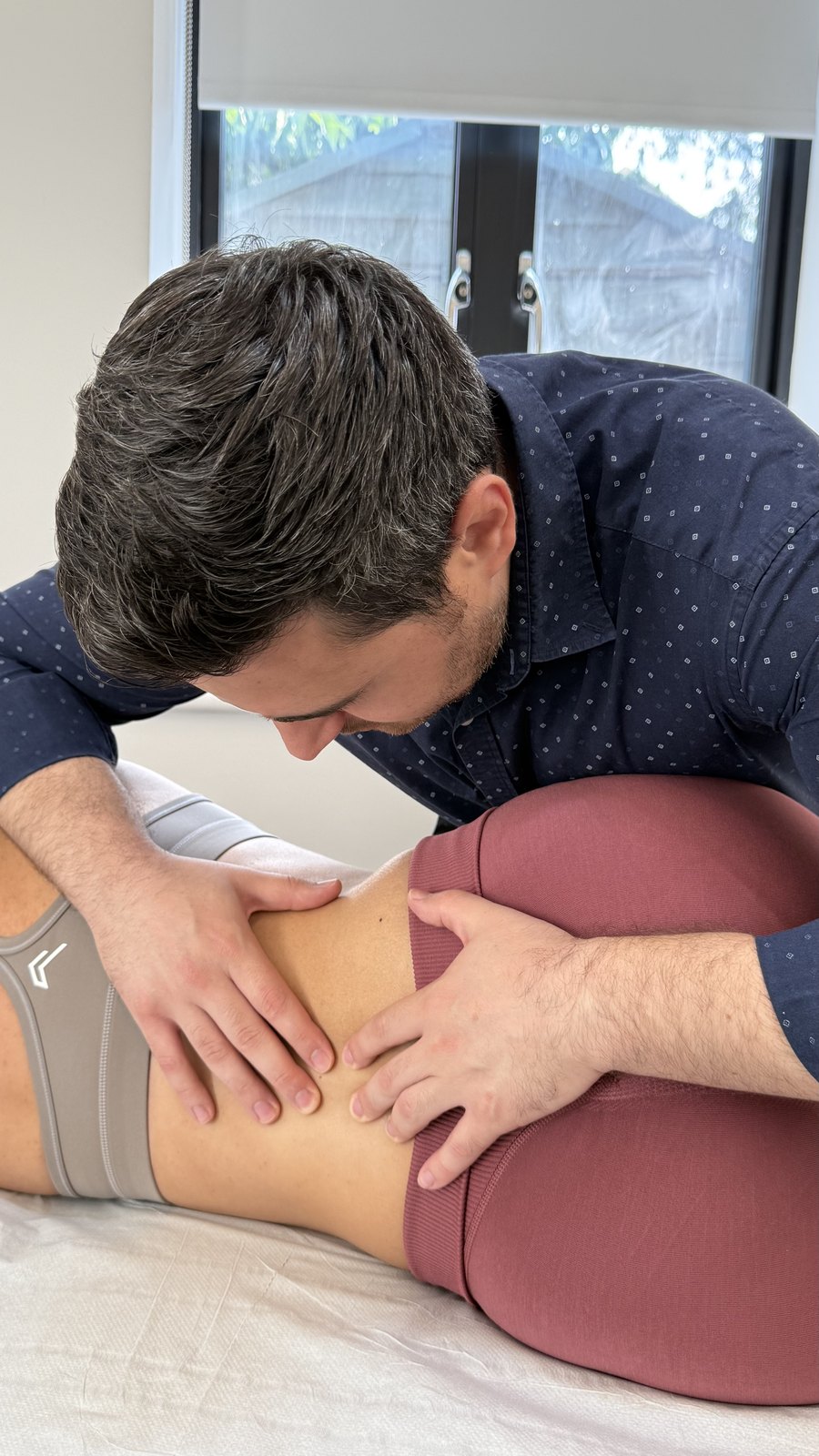
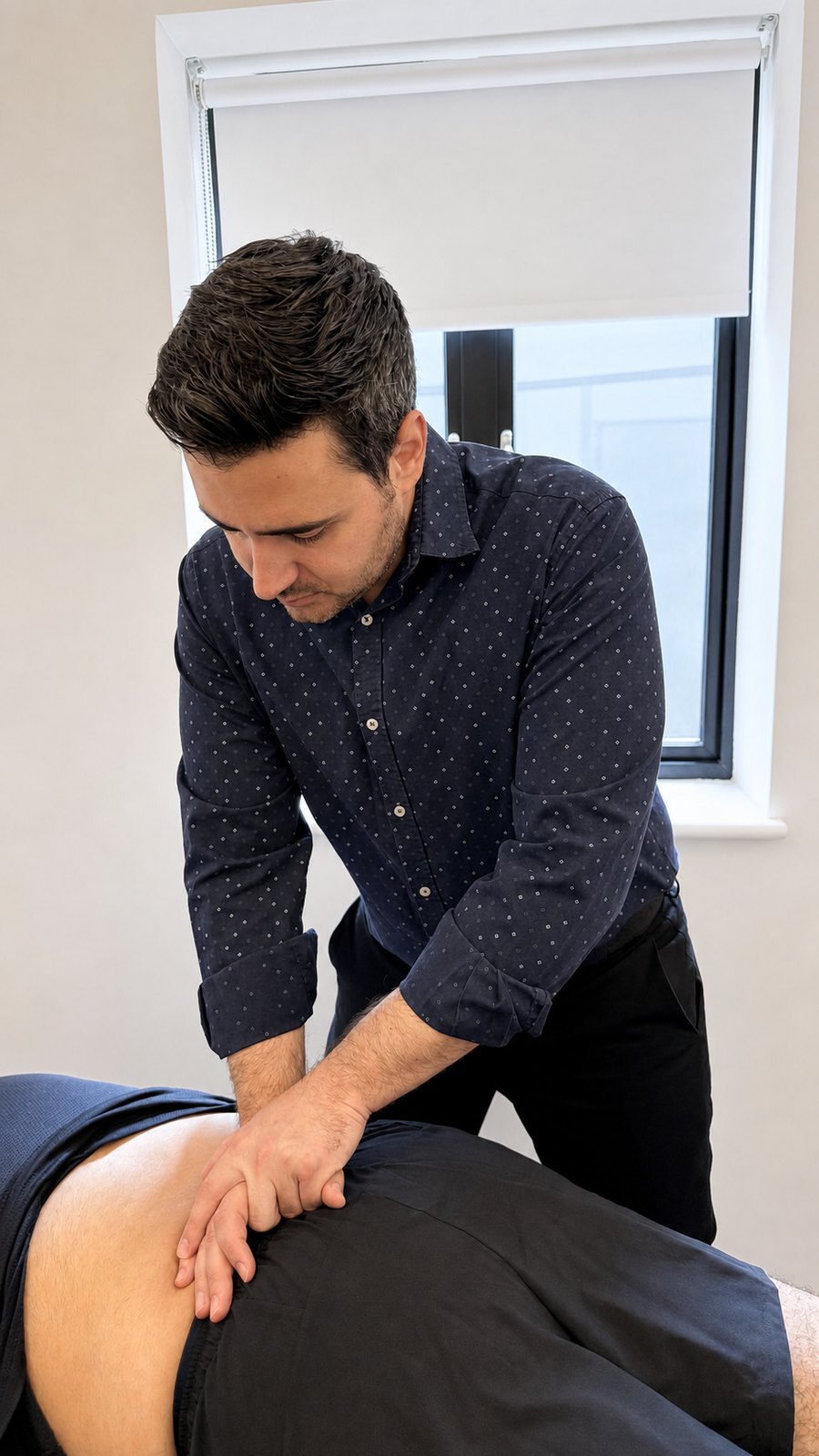
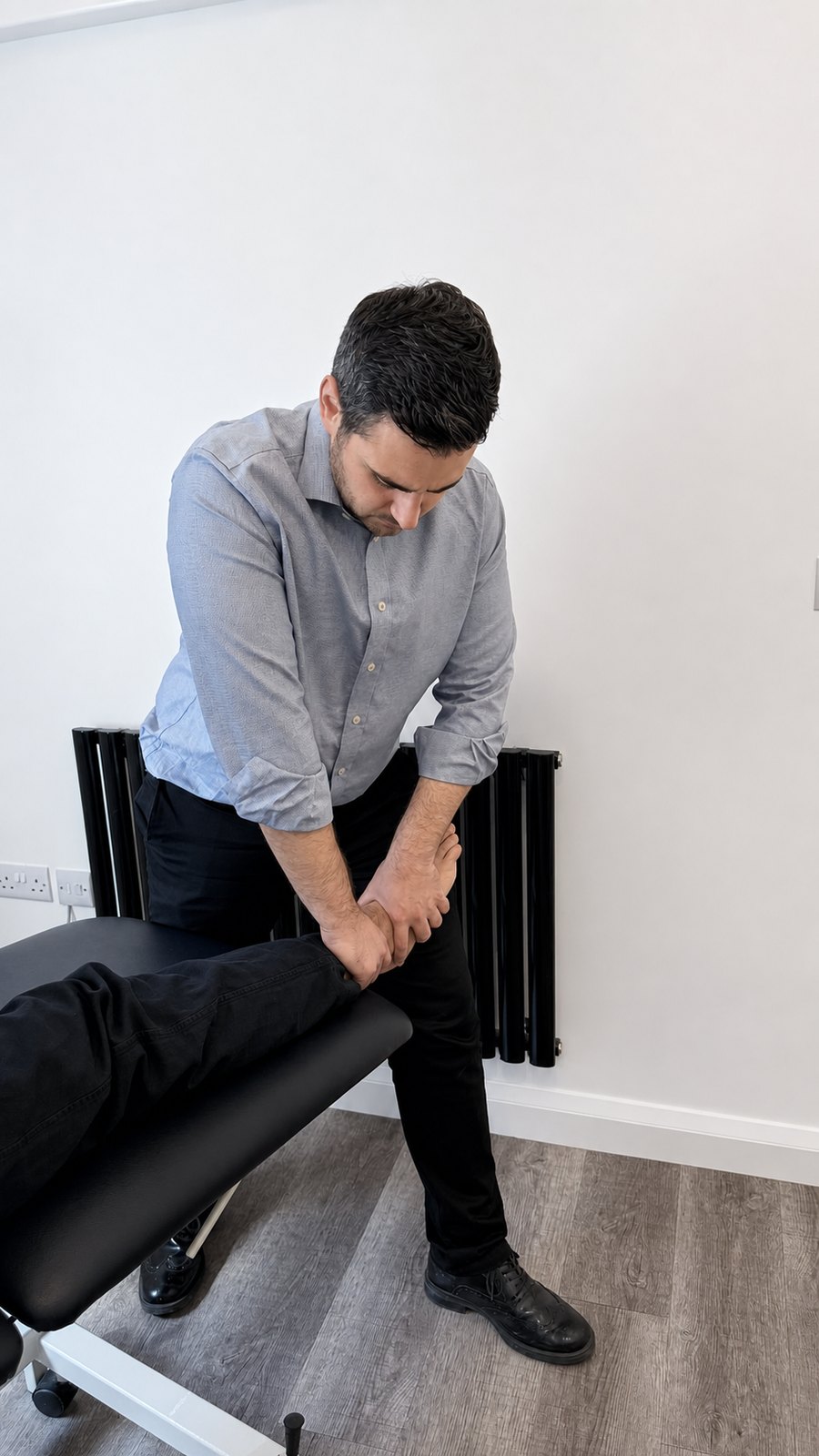
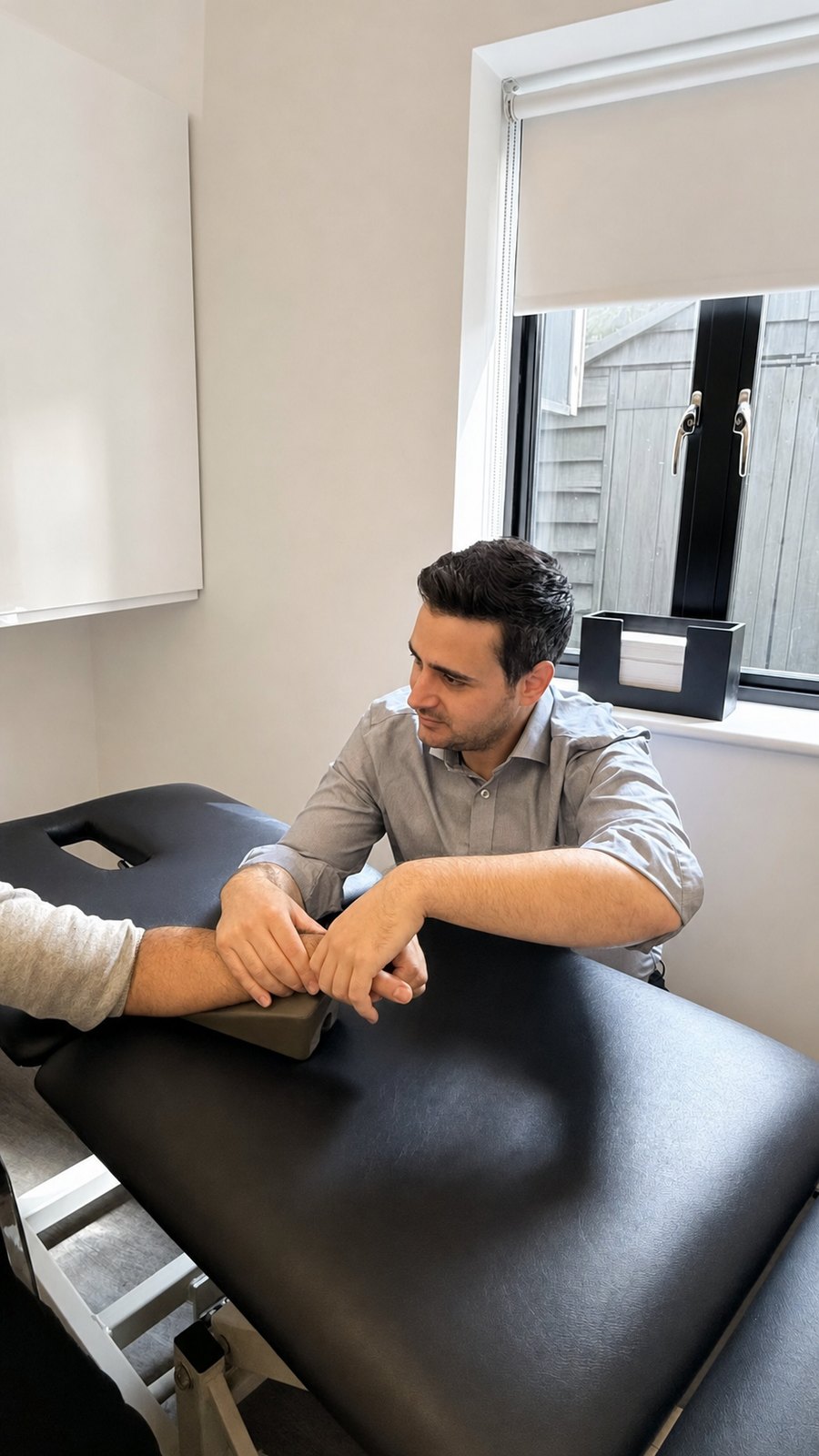
Manual therapy includes joint mobilisation and carefully selected soft-tissue techniques. It may be used when pain or stiffness is limiting movement, confidence, or progress with rehabilitation.
Conditions we commonly help with
- Non-specific lower-back or neck pain and associated stiffness
- Restricted shoulder, hip, knee, or ankle movement following injury or immobility
- Osteoarthritis-related joint pain and stiffness
- Muscle and soft-tissue pain accompanied by movement restriction
Purpose of treatment: to reduce symptoms, improve comfortable movement, and create an opportunity to progress strengthening and functional exercise. Manual therapy is not used to “realign” the body and is not treated as a stand-alone cure; where appropriate, it forms one part of an individual rehabilitation plan.
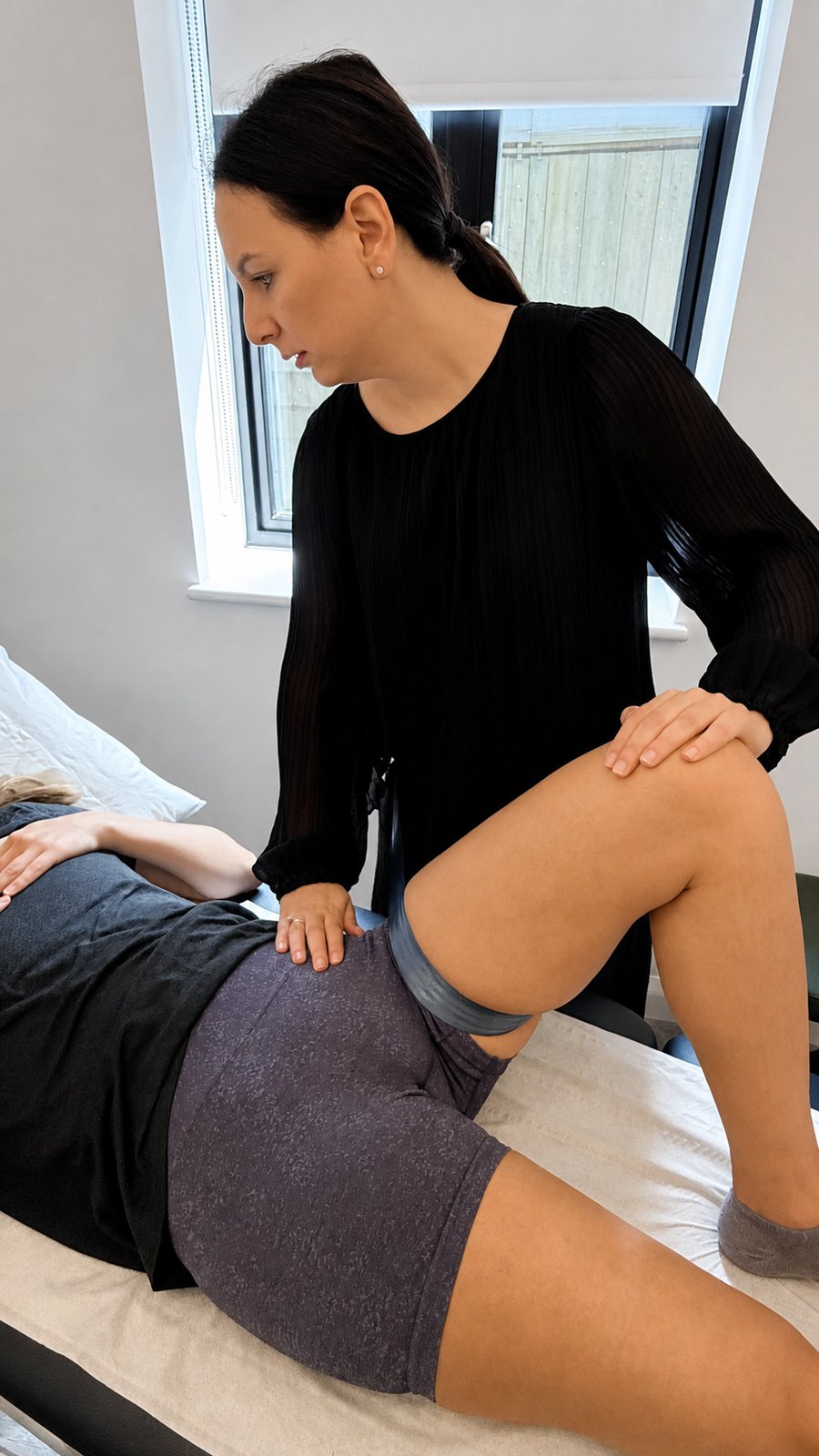
Sports rehabilitation is a progressive, exercise-led programme for returning to training and competition safely after injury. It is suitable for recreationally active people as well as competitive athletes, and it is adapted to the demands of your sport, current capacity, and goals.
Conditions we commonly help with
- Muscle strains, including hamstring, calf, and quadriceps injuries
- Ligament sprains and instability, including ankle and knee injuries
- Achilles, patellar, hamstring, and shoulder tendinopathy
- Running-related pain, overload injuries, and recurring sports injuries
- Loss of strength, confidence, or performance when returning after time away
Purpose of treatment: to rebuild strength, mobility, balance, power, and tolerance to sporting load. Rehabilitation may progress from controlled exercises to running, jumping, landing, change-of-direction work, and sport-specific drills. Return-to-sport decisions are based on symptoms, physical capacity, functional testing, and confidence rather than time alone.
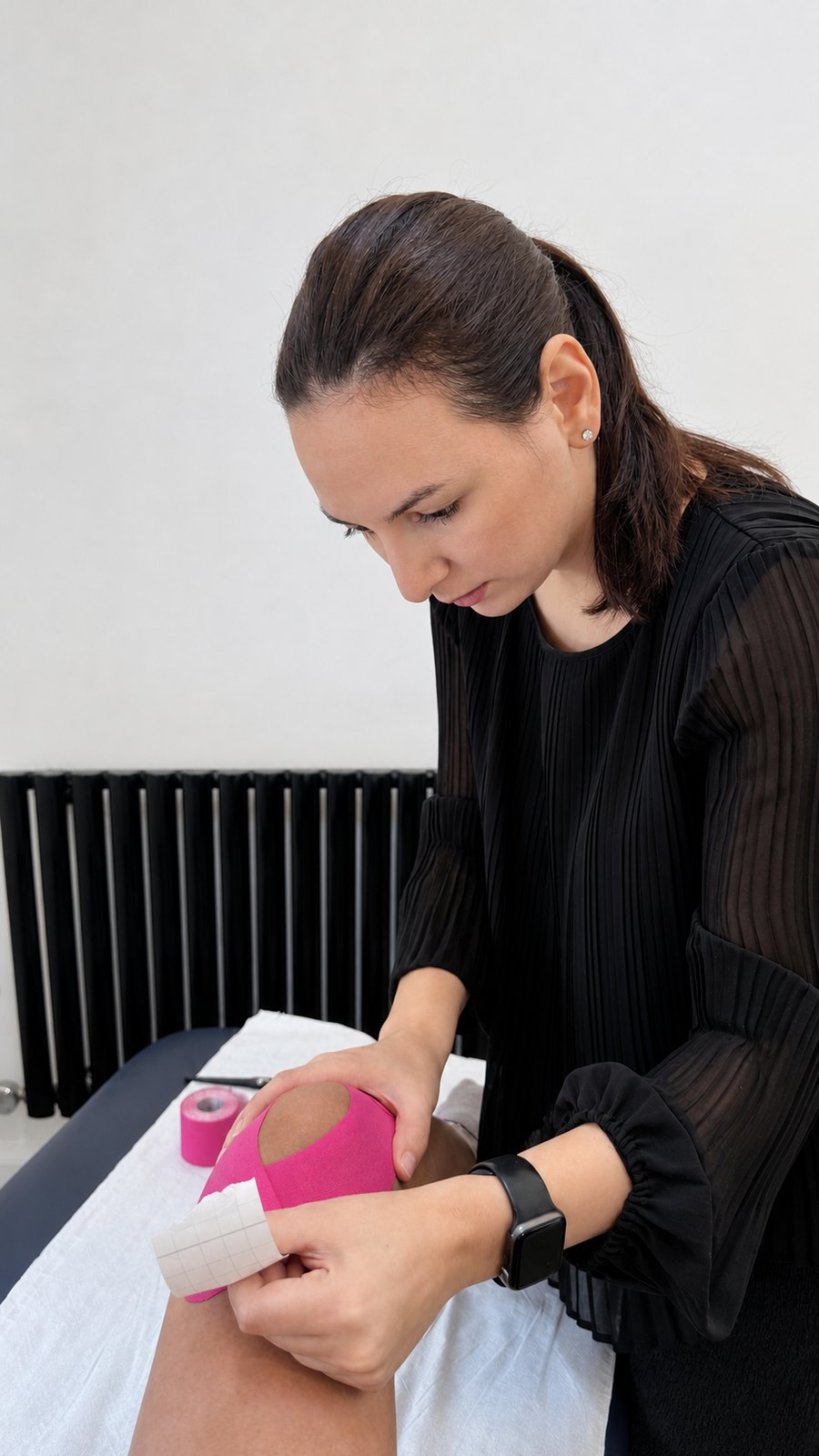

Post-operative rehabilitation helps you recover function after orthopaedic surgery. Your programme is matched to the procedure, the surgeon’s instructions, tissue-healing times, your starting point, and the activities you want to regain.
Procedures we commonly support
- Hip, knee, or shoulder replacement
- ACL reconstruction and meniscal surgery
- Rotator-cuff repair and other shoulder procedures
- Fracture fixation, tendon repair, and selected foot or ankle surgery
Purpose of treatment: to manage pain and swelling, restore safe movement, rebuild strength, and improve walking and everyday function. As healing permits, the plan progresses towards work, exercise, or sport. We monitor your response carefully and adapt loading to protect the operation while avoiding unnecessary loss of movement or capacity.
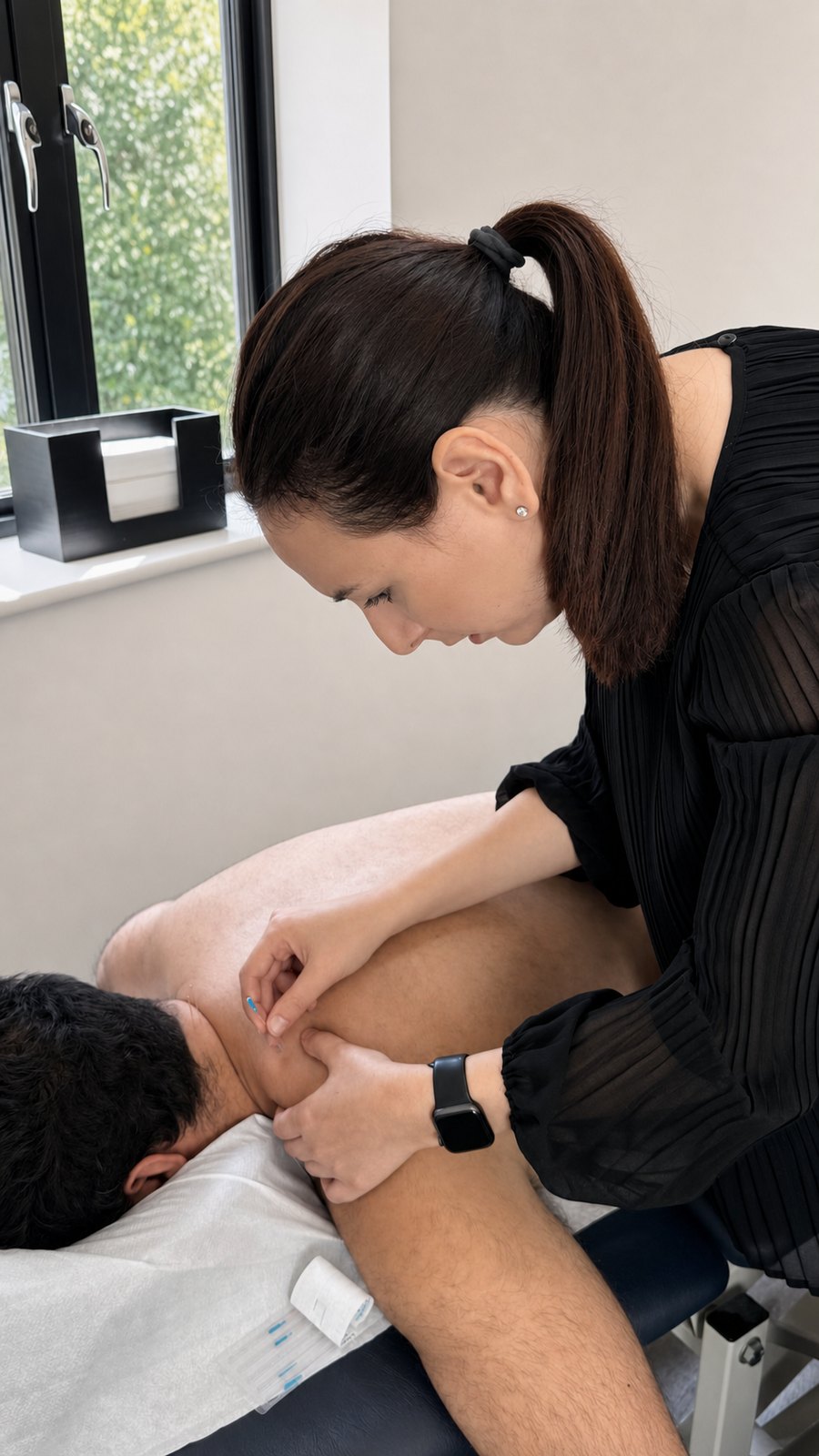
Dry needling and acupuncture use fine, sterile, single-use needles, but they are based on different clinical approaches. They may be considered after assessment when pain or muscle sensitivity is limiting movement, sleep, or participation in rehabilitation.
When these techniques may be considered
- Myofascial pain and sensitive muscular trigger points
- Selected persistent neck, shoulder, or lower-limb muscular pain
- Chronic primary pain when a time-limited acupuncture course is appropriate
- Prevention of chronic tension-type headaches after appropriate headache assessment
Purpose of treatment: to seek short-term pain relief or reduced muscle sensitivity so that active exercise and rehabilitation can progress. These techniques are not used as stand-alone cures. We discuss expected benefits, alternatives, temporary soreness or bruising, and uncommon risks before obtaining consent.
Women’s Health Physiotherapy
Our women’s health physiotherapy service provides specialist assessment and treatment for conditions related to pregnancy, postnatal recovery, and pelvic health. Care is delivered with sensitivity, discretion, and a strong focus on restoring confidence and function.
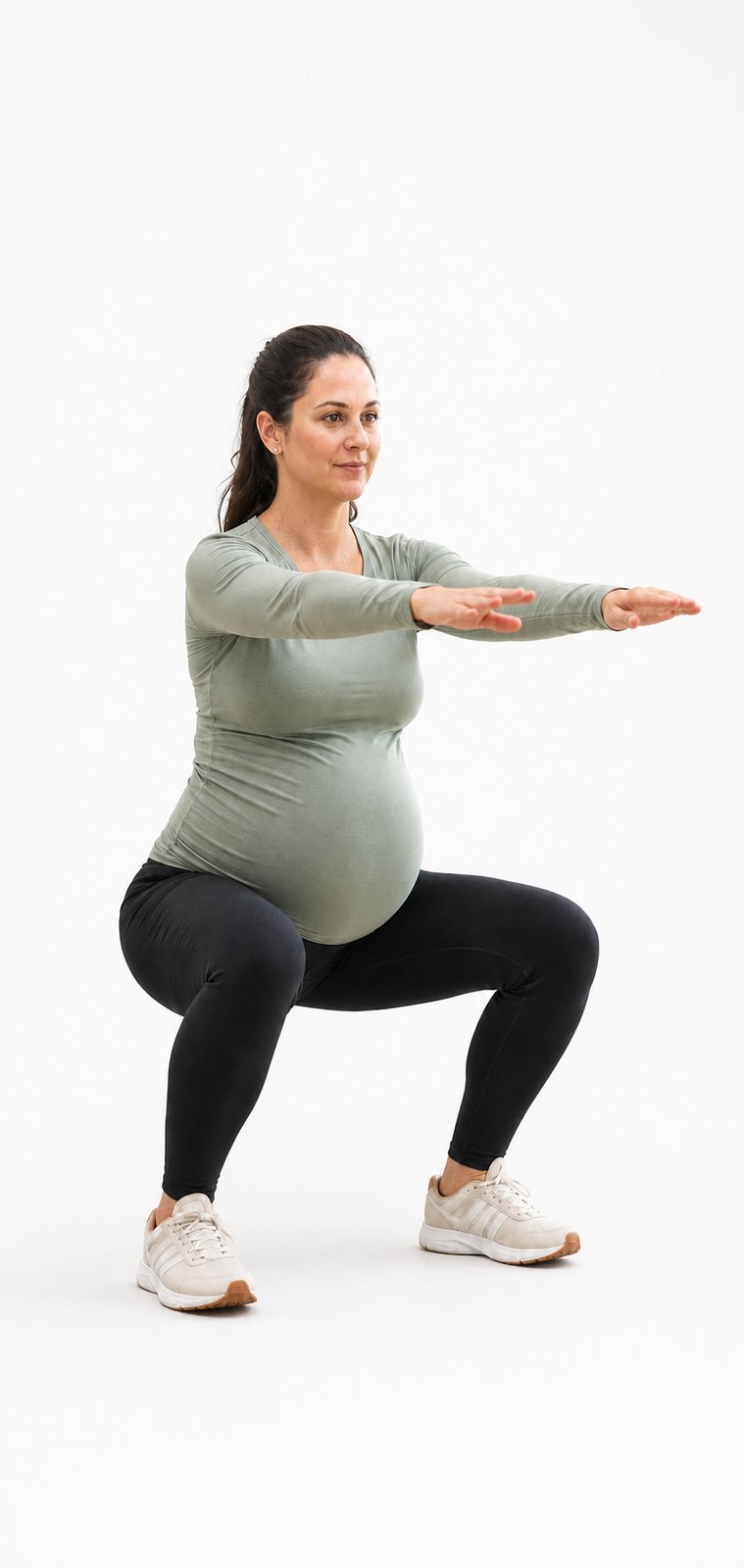
Pregnancy physiotherapy supports comfortable, confident movement as the body changes. Assessment considers your stage of pregnancy, symptoms, activity, previous health, and any advice from your midwife or medical team.
Conditions we commonly help with
- Pregnancy-related lower-back and pelvic-girdle pain
- Hip, groin, rib, or upper-back discomfort
- Difficulty with walking, stairs, sleep, work, or usual exercise
- Reduced strength, mobility, or confidence with physical activity
Purpose of treatment: to improve day-to-day function, help you remain active, and provide practical ways to manage symptoms. Treatment may include education, activity modification, individually selected strengthening and mobility exercise, and manual therapy when clinically appropriate. Exercise is adapted to your pregnancy and stopped or modified if symptoms indicate that medical review is needed.
Pelvic-health physiotherapy provides sensitive, confidential assessment of symptoms involving the pelvic floor, bladder, pelvis, and abdominal wall. Care is led by your goals and preferences, with time to explain each assessment and treatment option.
Conditions we commonly help with
- Stress, urgency, or mixed urinary incontinence
- Urinary urgency, frequency, and difficulty controlling the bladder
- Pelvic-organ prolapse symptoms such as heaviness, pressure, or a vaginal bulge
- Pelvic-floor weakness, overactivity, pain, or poor coordination
- Returning to daily activity or exercise after pregnancy, childbirth, or pelvic surgery
Purpose of treatment: to improve pelvic-floor strength, relaxation, coordination, bladder control, and confidence. Care may include pelvic-floor muscle training, bladder retraining, breathing and pressure-management strategies, education, and graded exercise. An internal examination is offered only when clinically relevant, with a clear explanation and your explicit consent; you can decline or stop it at any time.
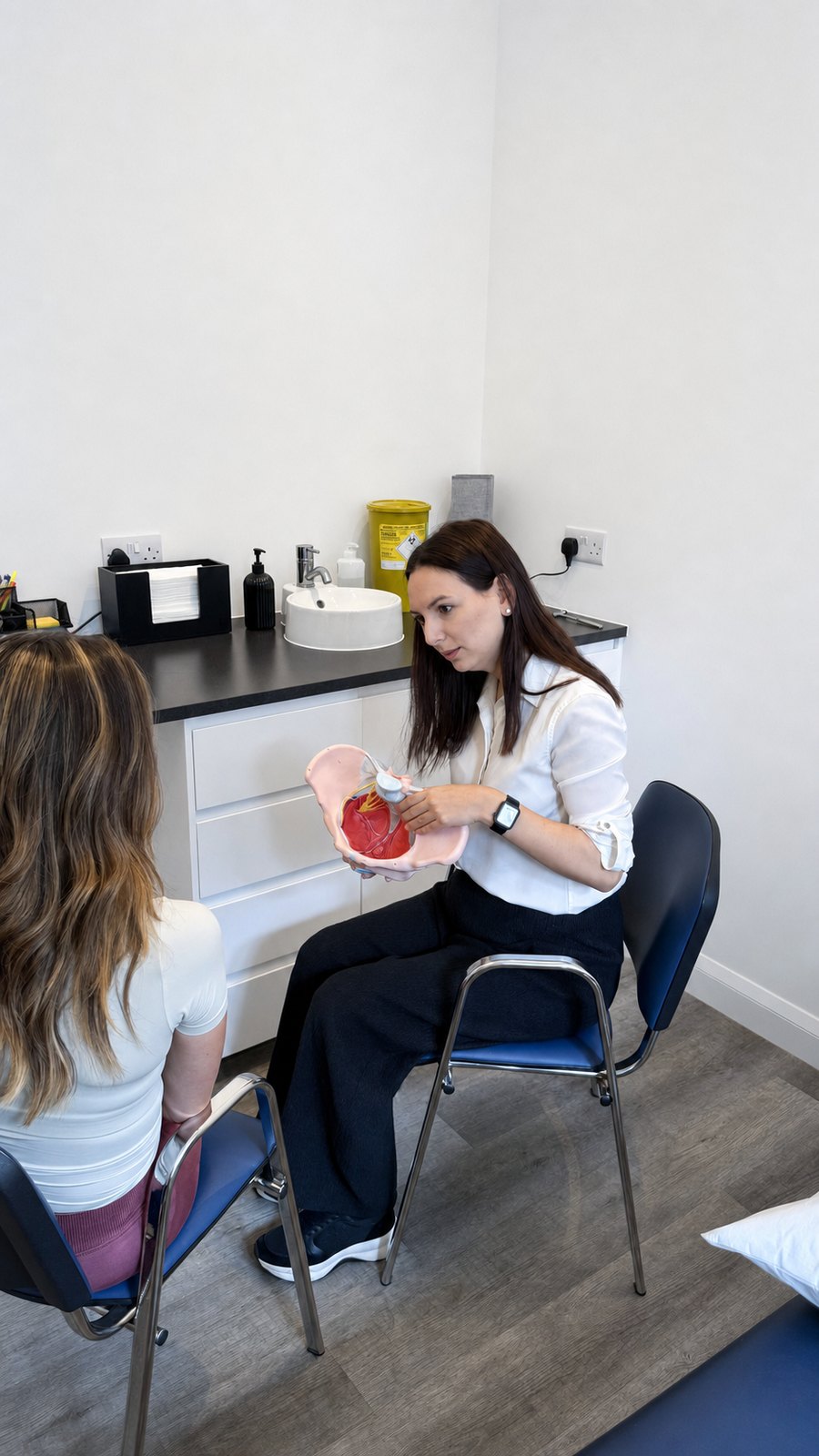
A Mummy MOT® is a comprehensive postnatal physiotherapy assessment designed to help you understand your recovery after pregnancy and childbirth. It provides a confidential space to discuss symptoms that are common but should not simply be accepted as something you have to live with.
A Mummy MOT® can be booked from 6 weeks after a vaginal birth, or from 8 weeks after a caesarean birth.
What the assessment can cover
- Abdominal separation and abdominal-wall function
- Pelvic-floor strength, relaxation, coordination, and symptoms
- Breathing, posture, spinal and pelvic movement, and functional strength
- Back or pelvic pain, urinary leakage, heaviness, or concerns around scar recovery
- Readiness to return to lifting, running, gym training, or other exercise
Purpose of the appointment: to identify priorities, answer questions, and agree a realistic, staged recovery plan. This may include pelvic-floor and abdominal exercise, strength and movement progression, symptom-management advice, and referral to another healthcare professional if findings require further investigation.

Injection Therapy
Steroid (corticosteroid) injection therapy involves delivering anti-inflammatory medication directly into a painful joint or soft tissue structure. This helps reduce inflammation, relieve pain, and improve movement.
At Vast Physio, injections are delivered by an experienced Advanced Practice Physiotherapist, ensuring both accurate clinical assessment and high-quality treatment.
When is an injection recommended?
Injection therapy may be considered when:
- Pain is limiting your ability to progress with rehabilitation
- Symptoms have not improved with physiotherapy alone
- Oral anti-inflammatory medication is not suitable or effective
- Symptoms are worsening or persist despite appropriate management
- A diagnostic injection is required to help identify the source of pain
Injection therapy is always used as part of a broader treatment plan, not as a standalone solution.
What are the benefits?
Steroid injections can:
- Reduce pain and inflammation
- Improve joint movement and function
- Help break the cycle of persistent symptoms
- Enable more effective rehabilitation
- Assist in identifying the source of pain when diagnosis is unclear
The effects can vary but typically last from several weeks to a few months.
Conditions we commonly treat
Injection therapy may be appropriate for a range of musculoskeletal conditions, including:
- Osteoarthritis (e.g. knee, shoulder)
- Bursitis
- Frozen shoulder
- Shoulder impingement / subacromial pain syndrome
- Tendinopathies
- Joint-related inflammation
Is injection therapy right for you?
Injection therapy is not suitable for everyone. A thorough assessment will be carried out to determine whether it is safe and appropriate.
Injection therapy may not be recommended in cases such as:
- Active infection (local or systemic)
- Skin conditions at the injection site
- Recent or unhealed fractures
- Uncontrolled diabetes
- Known allergies to steroid or local anaesthetic
- Planned surgery in the near future
- Certain medical conditions requiring specialist input
All decisions are made on an individual basis, considering your medical history, current symptoms, and overall goals.
Our approach at Vast Physio
At Vast Physio, we take a holistic and evidence-based approach:
- Comprehensive assessment before any injection
- Clear explanation of risks, benefits, and alternatives
- Injection therapy combined with a structured rehabilitation plan
- Ongoing support to optimise recovery and long-term outcomes
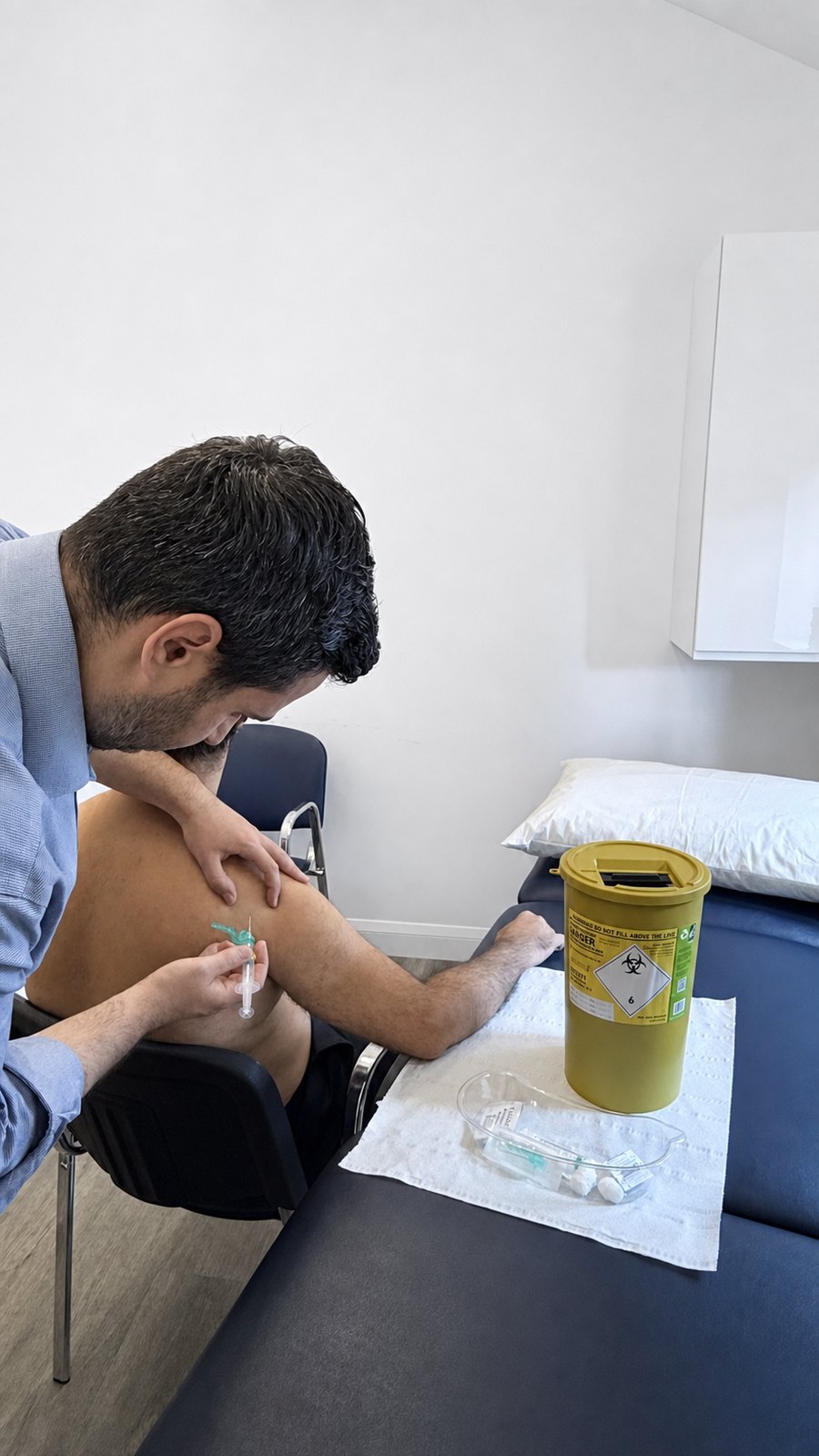
Hyaluronic acid (HA) injections involve delivering a naturally occurring substance into a joint to help improve lubrication, cushioning, and joint function.
Hyaluronic acid is a key component of synovial fluid (joint fluid). In conditions such as osteoarthritis, its quality and quantity can reduce, contributing to pain and stiffness.
At Vast Physio, injections are delivered by an experienced Advanced Practice Physiotherapist following a detailed clinical assessment.
When are hyaluronic acid injections recommended?
Hyaluronic acid injections may be considered when:
- Joint pain is persistent despite physiotherapy
- Symptoms are impacting daily function and quality of life
- You are unable to tolerate anti-inflammatory medication
- You are looking to delay or avoid surgical intervention
- Previous treatments (including steroid injections) have provided limited or short-term relief
They are most commonly used for joint-related conditions, particularly osteoarthritis.
What are the benefits?
Hyaluronic acid injections can:
- Improve joint lubrication and shock absorption
- Reduce pain and stiffness
- Enhance movement and joint function
- Support longer-term symptom relief compared to some other injection options
- Help maintain activity levels and participation in rehabilitation
Effects typically develop gradually over a few weeks and may last several months.
Conditions we commonly treat
Hyaluronic acid injections are most commonly used for:
- Knee osteoarthritis
- Other joint-related degenerative conditions (case-dependent)
Suitability will always be assessed individually.
Is hyaluronic acid injection therapy right for you?
Hyaluronic acid injections are not suitable for everyone. A full clinical assessment is required to determine appropriateness.
They may not be recommended in cases such as:
- Active joint or systemic infection
- Significant joint damage where other treatments may be more appropriate
- Known allergy to hyaluronic acid preparations
- Certain inflammatory or medical conditions requiring specialist input
All decisions are made based on your symptoms, medical history, and treatment goals.
Our approach at Vast Physio
At Vast Physio, we take a personalised and evidence-based approach:
- Thorough assessment before considering injection therapy
- Clear discussion of expected outcomes, limitations, and alternatives
- Integration with a structured rehabilitation programme
- Focus on long-term joint health and function